

Step 01
Assess
Map the workflows in scope, the people who run them, and the decisions a person still has to make.
Your clinical staff loses 15-20 minutes every hour to admin tasks. The 5 automations that take it back: intake, scheduling, billing, follow-up, marketing.
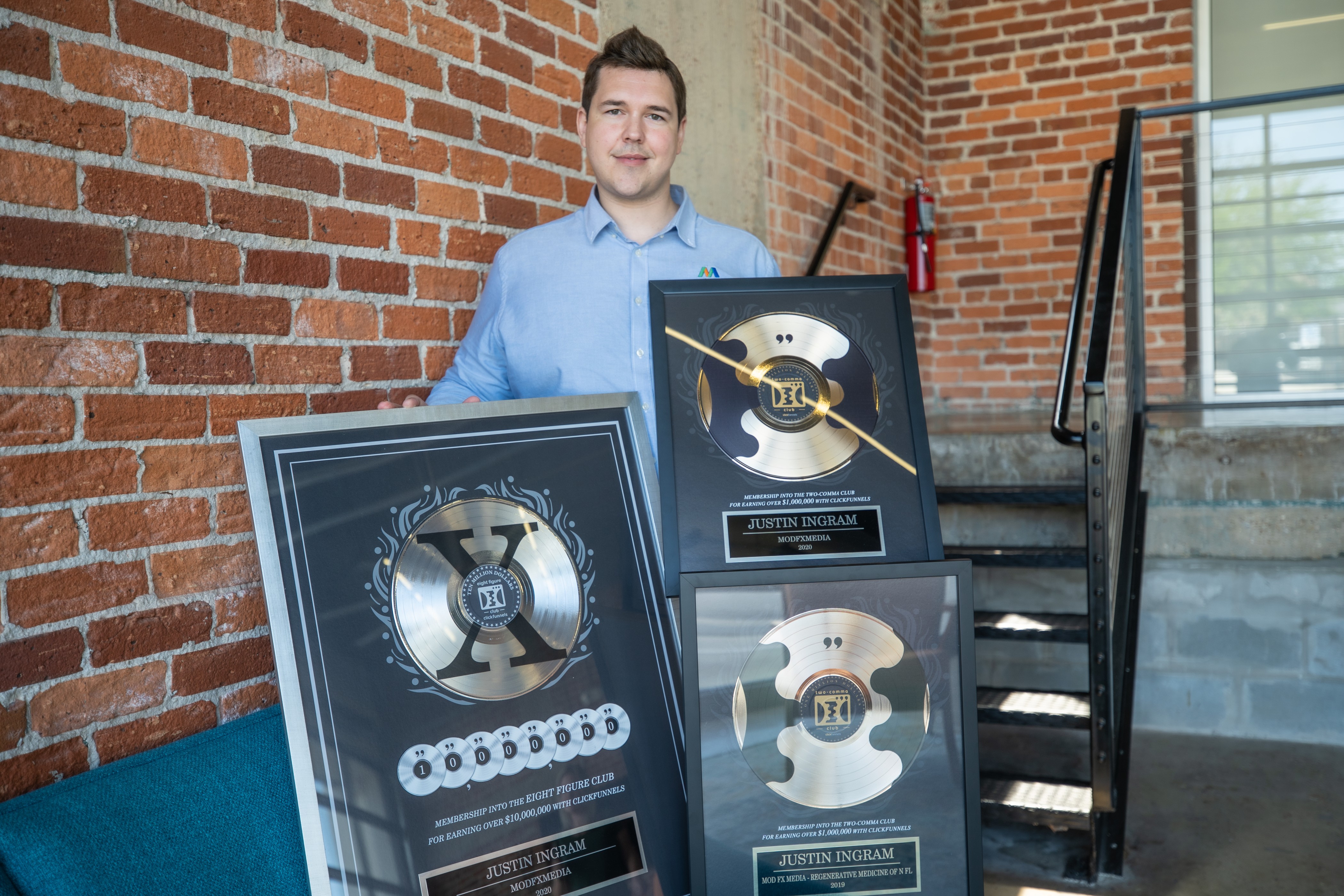 Written & reviewed by Justin Ingram, Healthcare AI ConsultantLast reviewed August 2026
Written by Justin Ingram, healthcare AI consultant. Reviewed November 9, 2026.
Your clinical staff loses 15-20 minutes every hour to administrative tasks. Your providers spend 49% of their office time on EHR work and desk work. Your front desk juggles calls, check-ins, insurance verification, and scheduling simultaneously, and drops balls every single day.
Healthcare automation eliminates these problems by replacing manual, repetitive workflows with AI-powered systems that run 24 hours a day without errors, burnout, or PTO requests.
Nonprofit intake lives on intake and workflow automation. Lab paperwork checks live on requisition and preanalytical errors.
Digital forms sent automatically 48 hours before the appointment. Patient information populates directly into the EHR. Insurance eligibility is verified in real-time before the visit. Zero clipboards. Zero manual data entry.
AI books appointments through text, web chat, and phone 24/7. Reminder sequences fire at 72, 24, and 2 hours before the visit. No-show predictions trigger proactive outreach. Cancellations automatically fill from the waitlist.
Within one hour of a visit, patients receive personalized care instructions, relevant educational content, a review request timed for maximum response, and a prompt to schedule their next appointment.
Claims are analyzed for coding accuracy before submission. Prior authorization requests generate automatically with supporting documentation. Denials trigger automated appeal workflows.
Social media posts, blog articles, email newsletters, and Google Business Profile updates generate on a schedule. Patient reactivation campaigns run continuously in the background.
GoHighLevel for CRM, communications, and workflow automation. Zapier or Make.com for connecting your EHR, scheduling system, and communication tools. AI models like ChatGPT or Claude for content generation and intelligent responses. Specialty tools for specific functions like ambient scribes and billing AI.
Every tool in the stack must have a Business Associate Agreement for HIPAA compliance.
Practices that implement comprehensive automation typically recover 15-25 hours per week of staff time, reduce no-show rates by 40-60%, increase patient reactivation rates by 200-400%, generate 3-5 times more Google reviews, and reduce time-to-claim-submission by 50%.
A proven approach to help healthcare practices adopt AI with confidence and achieve measurable growth.
Map the workflows in scope, the people who run them, and the decisions a person still has to make.
Write what will change, what stays manual, and which steps need a signed BAA before they proceed.
Configure only the accepted workflow and train the people who use it. A wider rollout needs a new scope.
Tell us about your practice and we'll show you exactly where AI can save you time and money.
No. Automation handles the repetitive, time-consuming tasks that prevent your staff from doing the work that requires a human touch: building relationships with patients, handling complex insurance situations, and providing compassionate care.
Individual automations can be deployed in days. A comprehensive automation program covering all major workflows typically takes 60-90 days to fully implement and optimize.
This page focuses on the individual automation stack, the tools and how they connect. Medical practice automation covers the full 7-system rollout in sequence, patient intake through reactivation.
No. These automations are built to connect with the software you already run, not replace it.
Automated workflows fall back to manual review rather than failing silently. A staff member still gets notified if something needs attention.
The discovery call names the workflows in scope. You can accept the written scope, revise it, or stop.
Discovery call. No patient information on the form.
Intake, scheduling, billing, reactivation — the operator automation stack. Explore cluster guides in this silo, then jump to sibling pillars.
Disclaimer:The consulting services described on this page are advisory and operational in nature. They do not constitute medical advice, clinical decision-making support, or legal advice. AI implementation decisions should involve your practice's clinical, compliance, and legal stakeholders. This page does not publish client results. An example is not a promised outcome.
Discover how AI can reduce admin, improve patient experiences, and help your practice grow with confidence.
Ready when you are. Free audit
Book audit